
Pulsars and the Calculus of the Cosmic Clock
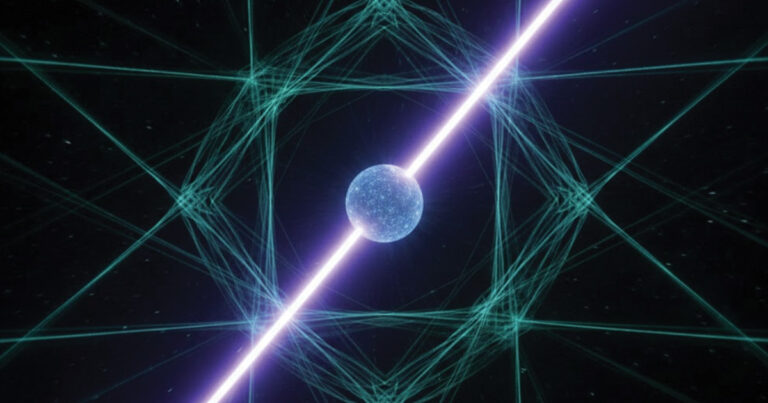
When a massive star undergoes a supernova and collapses into a neutron star, it conserves its angular momentum. Because it has shrunk from millions of miles to just a dozen, it begins to spin at incredible speeds—sometimes hundreds of rotations per second. This isn’t just a star; it is a High-Frequency Frequency Generator. 1. The…